Your business has changed. Is your marketing still selling the old you?
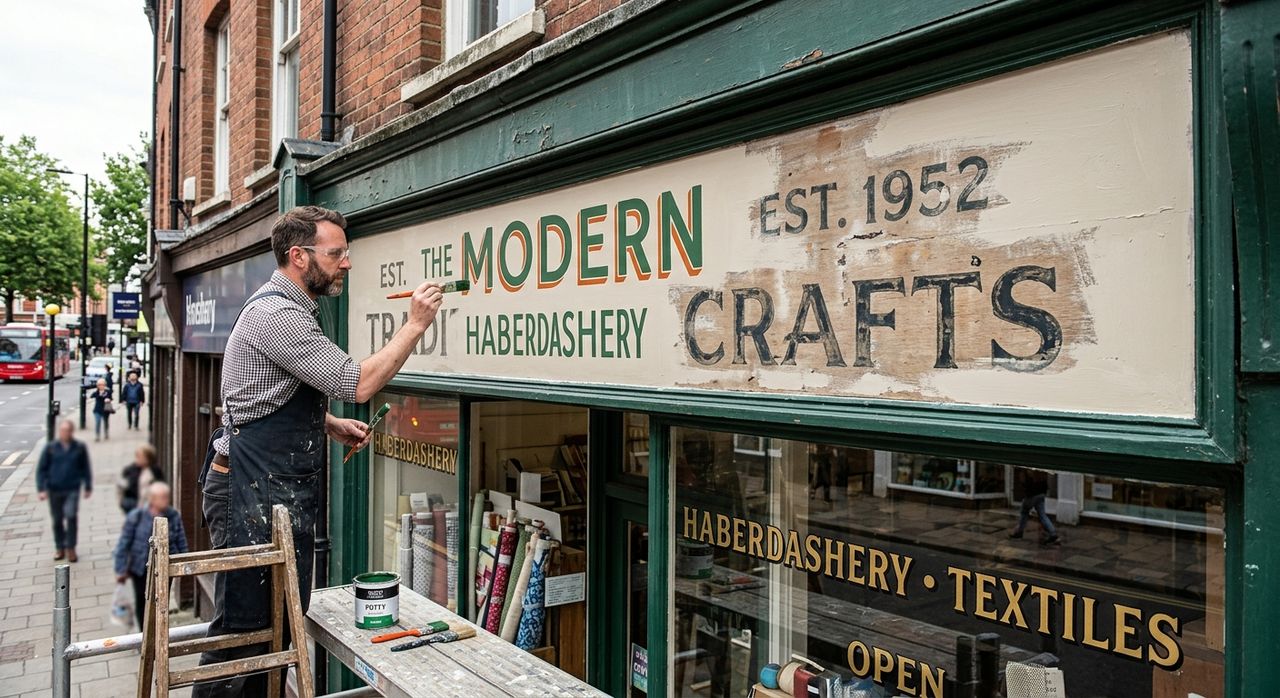
Most businesses don't have a marketing problem. They have a translation problem.
A company spends three years. five years, 20 years… getting better. It takes on harder work, hires sharper people, lets go of the clients that were never a good fit. Maybe it makes a real commitment to doing things more responsibly. Guaranteed the business that exists today is not the business that existed when the website was first written.
But the website was written then. So were the credentials deck, the LinkedIn bio, the line the founder gives at networking events. None of it has moved. The company has changed but the story it tells the market hasn't.
That gap is expensive, and most businesses are too slow to spot it.
You can feel it before you can name it. You win work you don't really want and lose work you'd have been perfect for. Prospects misjudge what you do, so they mis-price it. Your own team can't explain the business in a sentence, because the sentence they were handed is at least two versions out of date. Good people end up describing the old company, because nobody has ever given them the new line.
None of this shows up as a failure on a dashboard. There's no campaign to blame. The marketing is doing exactly what it was built to do - it's just describing a company that no longer exists.
It happens because of how most businesses treat marketing. It gets switched on when the pipeline looks thin and switched off when it's full. Like a tap. So the external story only gets updated when someone finds the time, which is never, or when the reality gap has grown so wide that an expensive rebrand becomes unavoidable.
Change happens inside the business first - new capability, new values, new direction. If marketing is the last part of the business to find out, you create an avoidable weakness in your strategy for success..
The clearest example I see is around sustainability and responsible business. A company does the real work. It changes how it operates, what it buys, how it treats its people. Those are genuine, costly changes.
Then it says nothing - out of modesty, or fear of being accused of greenwashing, so silence feels safer. Or it bolts a values page onto the site that reads like every other values page and moves nobody. Either way, the commercial value of that change goes uncaptured. The business has earned a stronger position in its market and handed it back for free. Doing the right thing and being known for it are two separate pieces of work, and most businesses only finish the first one.
This is why I think marketing's first job is keeping the story the market hears matched to the business you've actually become.
Get that right and the campaigns thrive, because they're built on something true. The team sells with confidence, because they recognise the company in the words. The right clients turn up already understanding why you're worth it. Get it wrong, and no amount of activity fixes it - and believe me, you can spend a fortune being loud about the wrong thing.
So before you brief another campaign, ask the harder question first: does your marketing actually describe the business you run?